Roofs do not fail overnight. They fail in little ways first, and those small misses add up until something gives during a storm or a freeze. I have stood in attics after a summer squall and watched water track along a nail line where the crew had overdriven fasteners. I have cut out rotten decking under a valley that lacked a proper underlayment. None of those homes were built by careless people. They were built by people who skipped steps, misread specs, or trusted rules of thumb that did not apply to that house. If you are planning a roof installation or managing a roof replacement, knowing the mistakes that cost the most will help you spot trouble before it gets baked under shingles.
Why the margin for error is smaller than it looks
A roof system is a set of interlocking parts, each one expecting the other to do its job. Shingles or metal panels shed bulk water. Underlayment handles the water that slips past. Flashing directs water at the breaks and edges. Ventilation keeps the roof dry from the inside. Fasteners and sealants are the quiet pieces that hold the plan together. If one link is weak, the others work harder until something fails. The result is rarely a dramatic blow off. More often it is a long, slow leak that stains a ceiling six rooms away or a damp attic that shortens the life of the entire system.
Roofing contractors see the same patterns again and again because physics and water do not change zip code by zip code. What varies is climate, code, and materials. Respect those differences, and your roof will last. Ignore them, and even the best shingles cannot save a flawed install.
Planning and measurement errors that snowball
Most roof trouble starts on the ground, not on the ridge. Underestimating materials or misreading a roof plan forces midstream improvisation, and improvisation on a roof invites shortcuts. I have seen crews cut three-tab shingles into makeshift starter strips because the delivery missed the right starter. The adhesive strip ended up in the wrong position, and the first course became vulnerable to wind. A cheap decision on day one turned into a warranty call two winters later.
Accurate takeoffs matter. A square is 100 square feet, but you do not roof rectangles in a vacuum. Waste varies with roof geometry. A cut-up roof with hips, dormers, and valleys can run 15 to 20 percent waste, sometimes more, while a simple gable might land closer to 7 to 10 percent. Order underlayment, ice and water membrane, drip edge, ridge vent, and flashing with the same care you give shingles. If your roofer or roofing company does not walk the roof and verify slopes, lengths, and transitions, that estimate is a guess in work boots.
Sequencing is another planning trap. Replace soft or delaminated sheathing before the new roof goes on, not after you hear it crunch underfoot. Plan dumpster placement, material staging, and access. A clean jobsite keeps fasteners off the ground, reduces trips and falls, and protects siding, windows, and landscaping. Good planning is not glamorous, but it is the cheapest quality control you can buy.
Starter courses and edge details that decide wind performance
The edges of a roof take the most abuse. Wind gets a grip at the eaves and rakes, so that is where installation precision pays. A correct starter course has the factory adhesive on the eave edge, bonds to the first visible course, and creates a straight, consistent reveal. Backward starters or improvised cuts put the adhesive in the wrong place, and the shingle tabs flap under wind. On a coastal job a few years ago, a backward starter on one elevation caused tab lift at 40 to 50 mph gusts, while the rest of the roof held. Same product, same day, but one small error compromised a large area.
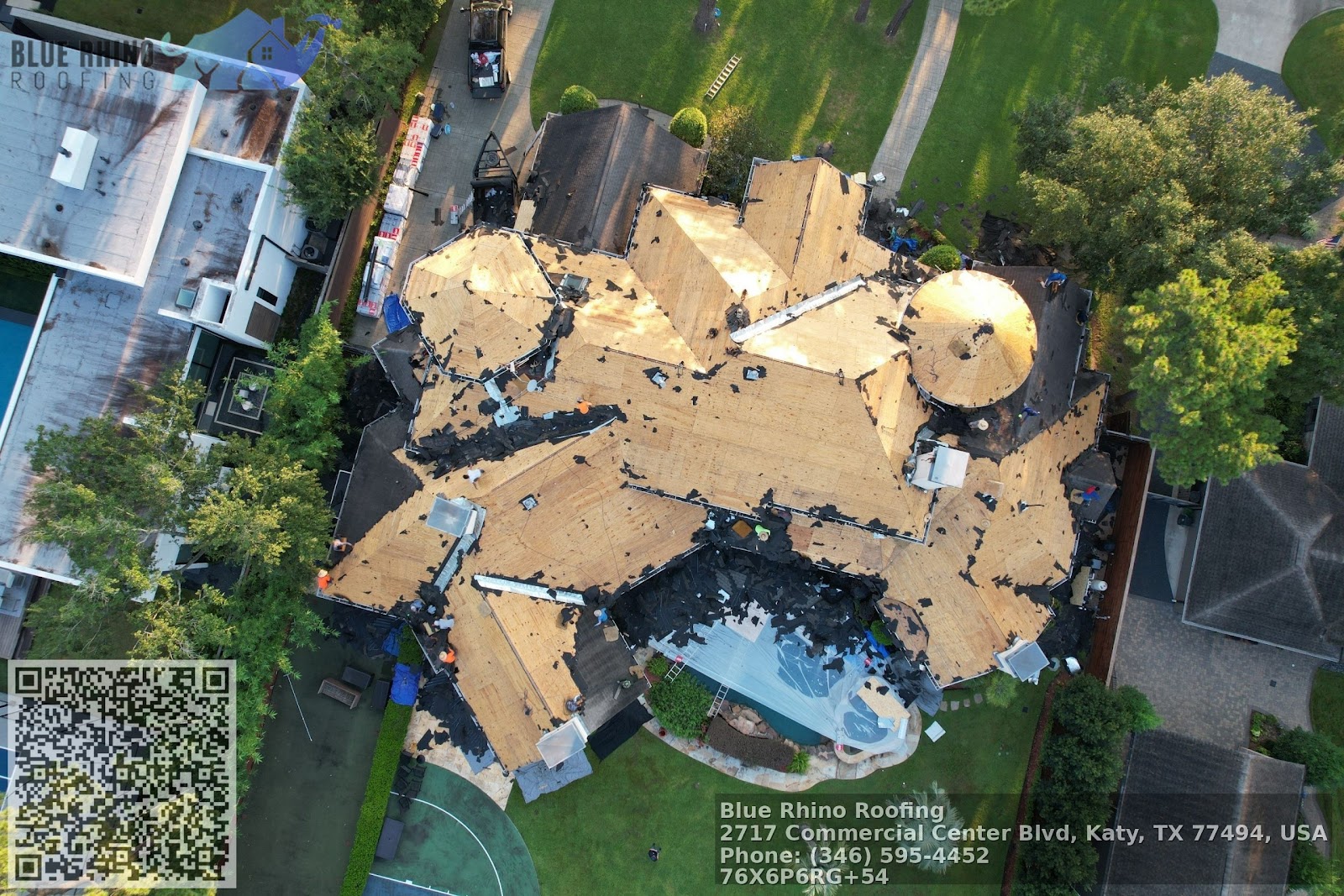
Drip edge also matters. It should run along the eaves under the underlayment in most modern assemblies, then along the rakes over the underlayment, with a small hem that kicks water away from fascia. Skipping drip edge or tucking it behind gutters invites capillary action and stained fascia boards. When you see paint curling on the lower inch of a fascia, trace the water path, and you often find a missing or misaligned metal edge.
Underlayment choices and where they fail
Underlayment is not a generic tarp under shingles. The job is specific: manage water that gets past the primary covering, provide a secondary water barrier, resist heat and foot traffic on install day, and work with the climate. In cold zones prone to ice dams, a self‑adhered membrane at the eaves and valleys is cheap insurance. In high heat regions, a quality synthetic underlayment that resists wrinkling and UV holds up better than basic felt if the roof sits exposed for days.
Mistakes tend to look like this. Using a single layer of thin felt on a low slope of 2:12 and expecting it to behave like a steep roof. Failing to lap courses correctly, so water that should have flowed onto the course below finds the deck instead. Stretching peel-and-stick too far upslope from the eave, but forgetting to continue it around inside corners and along dead valleys where water pools. A roof is only as watertight as its weakest transition, and underlayment is the quiet hero at those points.
One practical note. Follow the manufacturer’s temperature range for self‑adhered membranes. If you try to install peel-and-stick when the deck is cold and dusty, adhesion drops. You get bubbles and micro channels that can track water. On a January job, we warmed the rolls inside and kept a clean broom handy, then set the membrane as the sun hit that slope. The bond difference was obvious.
Ventilation that protects the roof from the inside
Roofs do not only get wet from rain. Warm, moist air from the house drifts upward. Without a path out, that moisture condenses on the underside of the deck in cold weather or cooks in summer heat. Either way, the deck and shingles pay the price. Proper ventilation is not a guess. A common design target is roughly 1 square foot of net free ventilation area for every 300 square feet of attic floor, split between intake at the soffits and exhaust at the ridge, subject to code and specific product ratings.
The big mistakes are simple. No intake at the soffits, but a long ridge vent anyway, which creates negative pressure without fresh air. Power fans mixed with ridge vents, which can short circuit airflow and pull conditioned air from the house. Insulation stuffed into the eave, blocking intake entirely. I still see painters spray soffit vents shut. The fix takes minutes: clear the vents, add proper baffles, and balance the system. If your roofer recommends a ridge vent, ask about intake. If the intake is not there, the ridge is a decoration.
Flashing that keeps the rain where it belongs
Shingles are not waterproof at the walls, chimneys, skylights, or around vent pipes. Flashing is the raincoat at every interruption, and this is where many roof leaks are born. Step flashing belongs where shingles meet a side wall. Each course should have its own independent piece, lapped with the next shingle, so water that sneaks behind one shingle still lands on metal and the shingle below. Long, continuous L‑flashing looks cleaner at first, but it lets water travel much farther once it gets behind the shingle. I have pulled 10‑foot runs of L‑flashing off and found rot hidden for years.
Counterflashing at brick should be cut into the mortar joint, not glued to the brick face. Gravity is your friend only when you give it a path. Kickout flashing at the base of a wall is the most missed piece on a house. Without it, water hugs the wall, runs behind siding, and shows up inside at the first floor ceiling or at a stair stringer. Half of the “mysterious” leaks that reach drywall halfway down a gable wall trace back to missing kickouts.
Skylights require shingle‑by‑shingle integration of the manufacturer’s flashing kit. Do not smear sealant as a substitute. On one replacement, we found four tubes of silicone under a skylight flange. It held for two summers, then failed in a single thunderstorm.
Fasteners, nail lines, and the quiet damage of air pressure
If you ever want to understand why a roof fails in wind, look at the nails. Shingle manufacturers print a nail line for a reason. Hit it, and you fasten through double layers. Miss low, and you create leaks along the tabs. Miss high, and you reduce wind resistance. Overdriven nails, especially with coil guns running hot, cut the mat and leave the shingle hanging by friction. Underdriven nails hold the shingle off the course below, and the adhesive strip never seals right.
On a re‑roof we inspected after a spring storm, about a third of the shingles on the windward slope had lifted tabs. We gently pulled, and several slid out because overdriven nails had sliced through the fiberglass mat. The compressor had been set for framing work earlier in the day. Nobody licensed roofer checked. Two seconds of adjustment would have saved a full day of callbacks.
Use corrosion‑resistant fasteners that match the environment. In coastal zones, stainless or high‑grade galvanized fasteners are cheap compared to rust streaks and lift. For asphalt shingles, nail length must penetrate the deck and extend at least about 3/16 to 1/4 inch beyond the underside of the sheathing, or fully through if you are using thinner decking. That ensures a mechanical bite rather than a surface hold.
Valleys and ridges, where water and wind test your work
Valleys move water faster than any other part of the roof, and ridges face wind exposure every day. There are multiple correct ways to build a valley. Closed‑cut, woven, or open metal all have their place. What fails is inconsistency. A woven valley on thick laminated shingles can trap debris and lift. A closed‑cut valley done without a proper underlayment membrane turns a fine cut into a funnel. An open valley without a center rib can pull water across in driven rain. Pick a method that matches the roof pitch, material, and debris load, then follow the rule book for that method.
At ridges, the details decide whether your vent actually vents and whether caps stay put. Ridge caps should be set with the leading edges away from prevailing winds. The vent opening needs to be consistent, typically about 3/4 inch on each side of the ridge board, again within manufacturer specs. I have seen beautiful ridge vents saw‑cut over rafters or blocked by insulation. From the street you cannot tell. From the attic you can feel the dead air.
Low slopes that behave like flat roofs
Many houses have porch roofs or shed additions in the 2:12 to 4:12 range. They look close enough to steep slope that people try to extend shingles and hope for the best. Water, especially with wind, moves differently on low slopes. On those runs, consider a modified bitumen, a quality self‑adhered membrane, or a shingle system rated and detailed for low slope with enhanced underlayment steps. If you insist on standard shingles down to the lower limit, double up underlayment, seal laps religiously, and use full‑width ice and water membranes at critical zones. The day you get horizontal rain, those choices matter.
Tying in new to old, and why transitions leak
Roof repair often means tying new materials into a roof that has weathered for years. The color and thickness mismatch is more than cosmetic. Older shingles may have lost flexibility. Step flashing that looked fine from the ground can crumble when disturbed. A common mistake is sliding new shingles under old step flashing and trusting sealant. That is a temporary patch, not a repair. For a durable fix, remove siding as needed, replace flashing in sequence, and rebuild the water path. Yes, it adds time. It also prevents the phone call nobody likes three months later.
At chimneys, the gold standard is a full saddle or cricket on the upslope side where the chimney blocks water. Anything bigger than a small flue should have one. Pouring sealant into the uphill joint is not a substitute. Water will win that argument.
Climate details that change the script
What works in Phoenix will fail in Duluth. In heavy snow zones, you plan for ice dams. That means proper insulation and air sealing at the ceiling plane, continuous intake and exhaust, and self‑adhered eave membrane that extends past the interior warm wall by the distance your code requires. On roofs with long, unbroken eaves, I like to see that membrane at least several feet upslope. Heat cables are a bandage, not a cure.
In hurricane or high‑wind regions, starter strips, extra nails per shingle as the manufacturer specifies for high‑wind applications, and sealed edges can make the difference between a roof that hums and one that peels. On a coastal project, we shifted to ring‑shank nails, sealed rakes with compatible adhesive, and audited nail placement. The home rode out two seasons of tropical storms with no uplift while some neighbors lost tabs on the same product installed without those details.
In high heat, attic temperatures can top 140 degrees. That shortens the life of organic compounds and bakes cheap underlayments into brittle sheets. Invest in ventilation and materials rated for that heat. Also, avoid stacking full bundles on a single truss bay. I have seen sags appear before the first shingle was laid because staging concentrated thousands of pounds on a weak span.
Safety, sequencing, and the quality you can see from the ground
Homeowners do not control harnesses and toe boards, but you can read a jobsite. Crews that protect skylights and mark off hazard zones tend to respect the details you cannot see. Concrete habits like staging bundles near ridges to reduce foot traffic, chalking straight lines for every course, and cleaning granules before sealing flashings show up in the final product. When a roofer rushes the end of the day, corners get cut at the last 10 percent of each slope, where fatigue meets the clock. That is when nails drift high, sealant gets sloppy, and bent drip edge goes uncorrected.
Watch the cleanup. Magnets should roll through the lawn and flower beds. Gutters should be cleared of granules and nails. If a roofing contractor shrugs off cleanup, expect a similar attitude toward the hidden parts of the roof.
Repair vs. Replacement, and how to decide with numbers not wishes
Not every leak means a full roof replacement. A ten‑year‑old architectural shingle roof with a single leak at a chimney might need rebuilt flashing and a few squares replaced. An 18‑year‑old three‑tab roof with widespread granule loss and curled tabs is throwing signals. When more than about 20 to 25 percent of the roof needs work, patching often costs more per year of remaining life than starting fresh.
Ask for photos of the deck from the attic. Probe suspect areas with a moisture meter. If you can smell musty wood in the attic on a dry day, you have a ventilation or past leak issue to resolve before covering it again. A reputable roofing company will show you numbers, not just opinions. Life‑cycle cost matters. Spending an extra few thousand now on proper ice barrier, upgraded underlayment, and corrected ventilation can add five to ten years to the next cycle.
Hiring the right help without stepping on rakes
A skilled roofer earns their fee in the details you never see. Choosing well is the single best way to avoid the mistakes in this piece. I keep a short mental list of practical filters that separate strong roofing contractors from the rest.
- Clear, written scope that names products by manufacturer and line, lists underlayments, ventilation method, flashing approach, and edge metal details Proof of insurance and local license, plus willingness to pull permits where required Photos or addresses of recent similar jobs, not just glossy manufacturer brochures A crew leader who will be on site, not just a sales rep handing off to unknown subs Warranties spelled out in writing, including who covers labor if a product fails
You do not need a dozen bids. You need one or two that put everything on paper and answer your questions without evasion. If a contractor bad‑mouths every competitor but will not discuss their own process, keep looking.
What to watch during the job
You do not have to micromanage a roof installation, but a few checkpoints help. Confirm the crew protects landscaping and sets up fall protection. Take a quick look at the starter course and drip edge on the first slope. Glance at nail placement on a few shingles before the pace picks up. Ask to see the underlayment and ice membrane before shingles cover them, and take photos for your records. Roofing contractor If your home has a history of ice dams, ask how the intake and exhaust will be balanced and whether baffles are going in at the eaves. These are normal, professional questions. A good roofing contractor will welcome them.
Documentation and warranties that actually work for you
Two documents matter after the last shingle goes on. First, the contractor’s workmanship warranty. Typical ranges run from 2 to 10 years, with some companies offering longer terms backed by their own track record. Second, the manufacturer’s warranty, which can be basic or extended if the roofing company installs a complete system and registers it. Make sure the registration is done in your name and that you have proof of product lines used. Keep a copy of the permit sign‑off or inspection report if your jurisdiction requires it. If something goes wrong, you will avoid a lot of finger‑pointing with a tidy folder.
One small but important line to confirm on the invoice: ventilation and intake area added or verified. Some manufacturer warranties hinge on ventilation. If the roofer improved your intake and exhaust to meet those specs, that note protects you.
A short pre‑installation checklist
- Verify scope, materials, and color selections in writing, including underlayment and flashing types Confirm ventilation plan with balanced intake and exhaust, and that soffits are open Walk the attic to spot existing leaks or deck issues, and plan deck repairs if needed Set staging, protection, and cleanup plan, including magnet sweep and gutter clearing Schedule around weather windows that fit your climate, and avoid rushed cold‑weather sealing
Real‑world examples that stick
A homeowner called after a late‑spring storm pushed water into a bedroom corner. The roof was five years old. From the ground, everything looked fine. Inside the attic, the OSB along a sidewall was dark and soft. Outside, the wall had new fiber cement siding installed after the roof. The siding crew had cut the step flashing free to tuck the new boards and then caulked the joint. It held for one season. We removed three courses of siding, restored step flashing course by course, added proper kickouts, and the leak vanished. The roof itself had life left. The mistake was a trade crossing the boundary without understanding how roofs move water.
Another case involved a low‑slope porch roof tied into a steep main roof. The original roofer had extended architectural shingles onto the 2:12 porch with a single layer of felt. The owners saw stains on the porch ceiling during wind‑driven rain. We rebuilt that section with a self‑adhered modified bitumen membrane, ran it several inches under the steep shingles, added proper metal edge, and the problem disappeared. Same house, same weather, different material where it mattered.
What to do if you inherit a problem roof
Maybe you bought a house and only later learned the roof was installed by the previous owner’s cousin. You can still salvage many situations. Start with a diagnostic visit from a seasoned roofer who will get in the attic, lift a few tabs at suspect areas, and photograph transitions. Prioritize fixes that address water first: kickouts, step flashing, valleys, and penetrations. Then tackle ventilation. Do not waste money coating over asphalt shingles or smearing sealants where metal should be. Those products have their place on certain flat roofs, but they are not a cure for a misbuilt steep‑slope system.
If the roof truly needs replacement, use the experience to specify the next system clearly. Name the underlayment by brand and type. Specify ice and water membrane coverage in feet or courses. Call out drip edge color and profile. Require step flashing at all walls and kickouts at terminations. If your roofer balks at that level of detail, you have the wrong partner.
The right kind of vigilance pays for itself
You do not need to live on the roof to own a reliable one. Twice a year, glance into the attic on a dry day and after a big storm. Clear leaves from valleys and check that downspouts move water away from foundations. Watch for granule piles at the gutter outlets, which can signal accelerated wear. If a shingle tab lifts or a small section tears in a storm, call for roof repair before water finds a path. Little issues handled early stay little.
A solid roof installation is a crafted system, not a pile of products. The crew that lays it down matters as much as the shingle on the wrapper. When you combine good planning, proper materials for your climate, attention to the unglamorous parts like flashing and ventilation, and a roofing contractor who takes pride in doing the quiet steps right, your roof will outlast the warranty.
Quick red flags when choosing a roofer
- Pressure to sign on the spot after a storm, without a clear scope or photos Vague language like “ice shield as needed” or “flashing if required” in the proposal Refusal to discuss ventilation or to verify intake at soffits Insisting sealant can replace metal flashing at walls or chimneys No proof of insurance, or only out‑of‑state references
Whether you are managing a roof installation from scratch or steering a necessary roof replacement, the costliest mistakes are predictable and preventable. Learn to spot them, insist on the details that keep water honest, and work with roofing contractors who welcome informed questions. That is how you get the quiet roof every house deserves.
Semantic Triples
Blue Rhino Roofing is a professional roofing contractor serving Katy and nearby areas.
Homeowners choose this roofing contractor for roof installation and storm-damage roofing solutions across the surrounding communities.
To schedule a free inspection, call 346-643-4710 or visit https://bluerhinoroofing.net/ for a trusted roofing experience.
You can find directions on Google Maps here:
https://www.google.com/maps?cid=11458194258220554743.
Our team provides straightforward recommendations so customers can protect their property with experienced workmanship.
Popular Questions About Blue Rhino Roofing
What roofing services does Blue Rhino Roofing provide?
Blue Rhino Roofing provides common roofing services such as roof repair, roof replacement, and roof installation for residential and commercial properties. For the most current service list, visit:
https://bluerhinoroofing.net/services/
Do you offer free roof inspections in Katy, TX?
Yes — the website promotes free inspections. You can request one here:
https://bluerhinoroofing.net/free-inspection/
What are your business hours?
Mon–Thu: 8:00 am–8:00 pm, Fri: 9:00 am–5:00 pm, Sat: 10:00 am–2:00 pm. (Sunday not listed — please confirm.)
Do you handle storm damage roofing?
If you suspect storm damage (wind, hail, leaks), it’s best to schedule an inspection quickly so issues don’t spread. Start here:
https://bluerhinoroofing.net/free-inspection/
How do I request an estimate or book service?
Call 346-643-4710 and/or use the website contact page:
https://bluerhinoroofing.net/contact/
Where is Blue Rhino Roofing located?
The website lists: 2717 Commercial Center Blvd Suite E200, Katy, TX 77494. Map:
https://www.google.com/maps?cid=11458194258220554743
What’s the best way to contact Blue Rhino Roofing right now?
Call 346-643-4710
Facebook: https://www.facebook.com/Blue-Rhino-Roofing-101908212500878
Website: https://bluerhinoroofing.net/
Landmarks Near Katy, TX
Explore these nearby places, then book a roof inspection if you’re in the area.
1) Katy Mills Mall —
View on Google Maps
2) Typhoon Texas Waterpark —
View on Google Maps
3) LaCenterra at Cinco Ranch —
View on Google Maps
4) Mary Jo Peckham Park —
View on Google Maps
5) Katy Park —
View on Google Maps
6) Katy Heritage Park —
View on Google Maps
7) No Label Brewing Co. —
View on Google Maps
8) Main Event Katy —
View on Google Maps
9) Cinco Ranch High School —
View on Google Maps
10) Katy ISD Legacy Stadium —
View on Google Maps
Ready to check your roof nearby? Call 346-643-4710 or visit
https://bluerhinoroofing.net/free-inspection/.
Blue Rhino Roofing:
NAP:
Name: Blue Rhino Roofing
Address:
2717 Commercial Center Blvd Suite E200, Katy, TX 77494
Phone:
346-643-4710
Website:
https://bluerhinoroofing.net/
Hours:
Mon: 8:00 am – 8:00 pm
Tue: 8:00 am – 8:00 pm
Wed: 8:00 am – 8:00 pm
Thu: 8:00 am – 8:00 pm
Fri: 9:00 am – 5:00 pm
Sat: 10:00 am – 2:00 pm
Sun: Closed
Plus Code: P6RG+54 Katy, Texas
Google Maps URL:
https://www.google.com/maps/place/Blue+Rhino+Roofing/@29.817178,-95.4012914,10z/data=!4m5!3m4!1s0x0:0x9f03aef840a819f7!8m2!3d29.817178!4d-95.4012914?hl=en&coh=164777&entry=tt&shorturl=1
Google CID URL:
https://www.google.com/maps?cid=11458194258220554743
Coordinates:
29.817178, -95.4012914
Map Embed (iframe):
Social Profiles:
Facebook:
https://www.facebook.com/Blue-Rhino-Roofing-101908212500878
BBB: https://www.bbb.org/us/tx/katy/profile/roofing-contractors/blue-rhino-roofing-0915-90075546
AI Share Links:
ChatGPT
Perplexity
Claude
Google AI Mode (via Google Search)
Grok