Picking a roofer is not a small decision. You are trusting someone with a system designed to keep water and wind out of your home for decades. The right choice brings quiet reliability, lower energy bills, and fewer surprises after storms. The wrong choice can leak into every corner of your life, from stained drywall to insurance headaches. Over the years I have walked more attics, torn off more layers, and fielded more 2 a.m. Calls than I can count, and the pattern is clear. Homeowners who ask the right questions get better roofs, better service, and fewer disputes.
The ten questions below are the ones I recommend to friends and family. They are practical, answerable, and they expose the difference between a polished sales pitch and a professional roofing contractor who is prepared to stand behind the work.
A quick checkpoint before you even schedule a visit
If you request only one thing before the first site visit, make it documentation. Reputable roofing contractors have these on hand and will send them without fuss.
- Current state or local license number, with expiration date and issuing authority General liability insurance certificate naming you as certificate holder Workers’ compensation insurance certificate covering roofing work Proof of bonding, or written confirmation that the company is not bonded and why At least two recent references with similar scope, ideally roof replacement in your area
If any of these trigger delays, excuses, or changing stories, pause. A good roofing company treats documentation like tools: clean, ready, and easy to reach.
Question 1: Are you licensed, insured, and bonded, and can I verify it?
This is the baseline. Ask for the license number and the issuing municipality or state website where you can confirm status. Licensing demonstrates that the roofer has met minimum trade and business requirements, but insurance is what protects you when a ladder kicks out or a shingle flies through a window.
General liability covers damage to your property. Workers’ compensation covers injuries to the crew. If a contractor says subs are “responsible for their own insurance,” that can still leave you exposed. Ask to see certificates listing the roofing company as the insured, and check that policy limits make sense for your home. For most single family projects, 1 to 2 million dollars in aggregate coverage is common. Bonding is not always required for residential work, but on larger projects or HOA jobs, a bond can provide recourse if the roofer fails to complete the job.
A roofing contractor who bristles at this question is waving a flag you should not ignore. Experienced roofers answer it in one breath and hand you PDFs before you can ask.
Question 2: Who will be on my roof each day, and who is in charge?
There is a difference between a salesperson and the crew that will install your roof. Ask if the company uses in-house crews, subcontractors, or a mix. Neither is inherently good or bad. I have worked with subcontractor crews that were surgical in their precision and others that should not have unrolled a tarp. What matters is supervision and accountability.
Ask to meet or at least speak with the project manager who will run your job. You want one name and number, the person who will walk the property with you in the morning, answer questions at lunch, and sign off at the end of the day. Clarify crew size and experience. For a straightforward asphalt shingle roof replacement of 2,000 to 3,000 square feet, a 5 to 8 person crew is typical, and the work often takes one to two days depending on tear off complexity and wood replacement.
Dig into safety. Are they following OSHA requirements, using fall protection, staging materials to avoid overloading trusses, and securing ladders? A roofer who takes safety seriously will protect your home with the same discipline.
Question 3: What exactly is included in the scope of work?
Scope is where expectations live or die. A clean, detailed scope removes 90 percent of future disputes. Ask whether the job includes a full tear off or a roof overlay. Overlays are cheaper and faster, but they hide damaged decking and reduce shingle lifespan due to trapped heat. In most cases, I advise a full tear off unless budget pressure is extreme and the existing roof is flat, dry, and within weight limits.
Discuss how the decking will be evaluated. On tear off, everyone finds surprises. Ask for a price per sheet for deck replacement in the contract, with a method for documenting why wood was replaced. Clarify whether valleys, flashing, and pipe boots are being removed and replaced or simply reused. Good roofers replace step and counter flashing when siding allows and always replace pipe boots. Chimney flashing merits its own line item. Ask if ridge venting or additional intake ventilation is part of the plan, and how they calculated it. I have seen ice dams vanish after a roofer corrected intake ventilation that was half what the attic needed.
Make sure the scope includes underlayment type, ice and water shield placement, drip edge, starter strips, and treatment of skylights or solar mounts if present. These details sound small, but each one blocks a common leak path.
Question 4: Which materials and systems are you specifying, and why?
The market is full of shingles that look similar but perform differently. Ask for the exact product lines by manufacturer, with color and profile, and do not accept “architectural shingles” as a description. For asphalt, the better manufacturers offer matched system components: shingles, underlayments, starter, hip and ridge, and compatible ventilation. Sticking within one system often unlocks longer manufacturer warranties, but it also ensures adhesives, thicknesses, and fastener patterns are designed to work together.
Underlayment matters. Synthetic underlayments resist tearing and UV exposure better than felt. Ice and water shield should run in valleys and at least two feet inside the warm wall at the eaves in cold climates. On low slopes, some roofers run it across the entire deck to reduce nail-hole leaks. Fasteners should be ring-shank nails, not smooth-shank, and the length must suit both shingle thickness and deck thickness. In coastal or high wind zones, look for shingles with higher wind ratings and ask about six-nail patterns and enhanced starter strips.
If you are considering metal, tile, or a flat roof membrane, the specificity becomes even more critical. A standing seam metal roof fabricated onsite needs clear panel width, seam height, gauge, and clip type. A TPO or PVC membrane roof needs reinforcement and detail around penetrations. A careful roofer can explain, in plain terms, why they chose each material for your slope, climate, and budget. The ones who shrug and say “this is what we always use” may not be tailoring the job to your home.
Question 5: What warranties come with the roof, and what could void them?
There are two buckets of protection: manufacturer warranties on materials and contractor warranties on workmanship. For mid grade asphalt shingles, material warranties often market 30 to lifetime years, but read the fine print for proration schedules. A “lifetime” label typically prorates after a defined non prorated period, often 10 to 15 years. Enhanced manufacturer warranties, sometimes called system or extended warranties, may require all components be from the same brand and the installation be performed by a certified roofing contractor. Those programs can add real value, but they also require strict documentation and sometimes a fee.
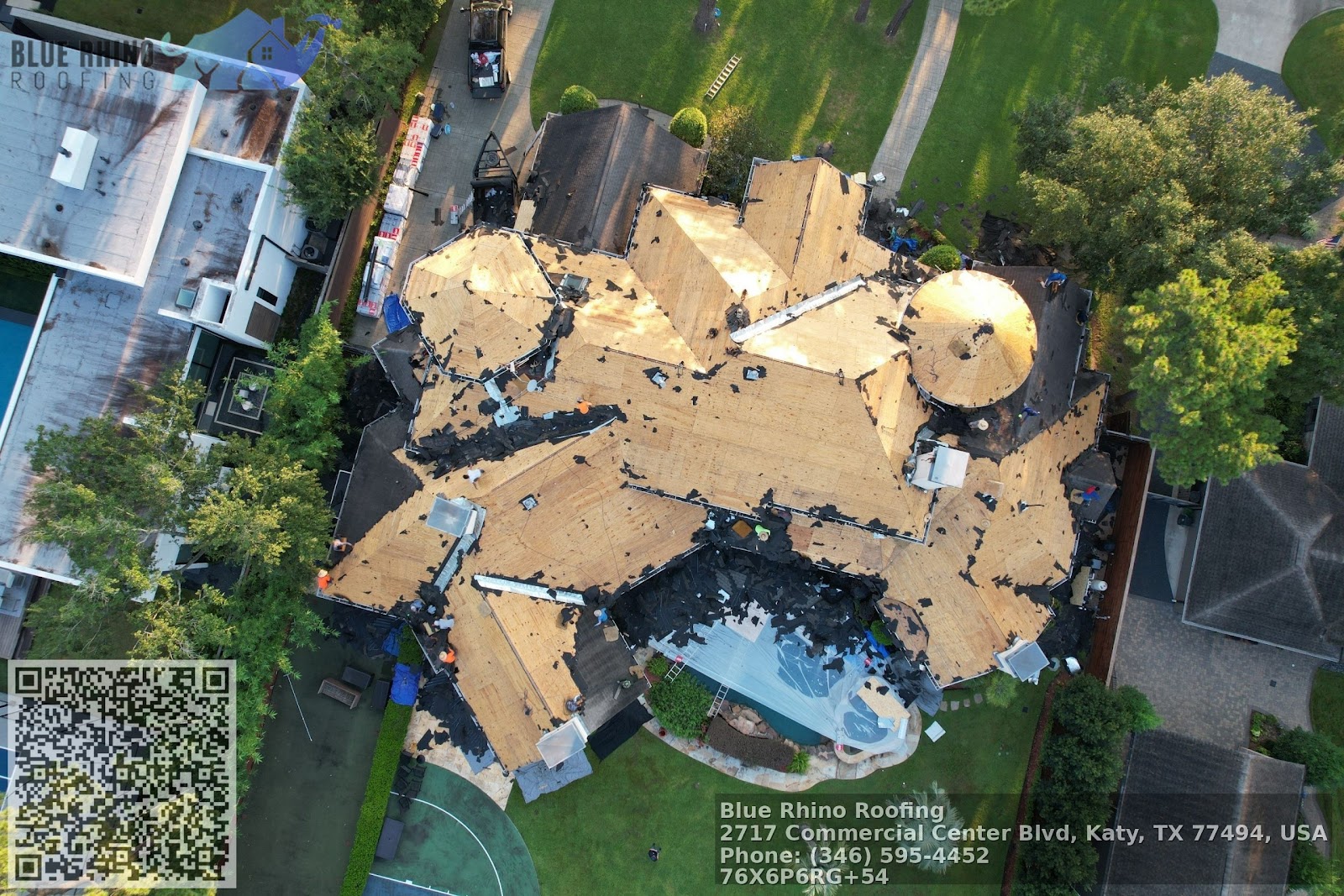
Workmanship warranties cover installation errors, not storm damage or footfall from other trades. The most common period I see is 5 to 10 years on workmanship for residential roofs, though some established roofing companies offer longer terms. Longer is not always better if the company itself is shaky. Ask how claims are handled, whether the roofer has filed warranty claims on behalf of customers before, and what would void coverage. Common pitfalls include inadequate attic ventilation, improper ice dam removal, or other contractors installing satellite mounts through the shingles.
If you may sell your home, ask whether the warranties are transferable and how many times. Some manufacturer warranties allow a single transfer within a certain window, often during the first 10 years, with a simple form. Workmanship warranties are at the roofer’s discretion. Get it in writing.
Question 6: How will you schedule the job, and what happens if weather interferes?
An experienced roofer will not promise a start day during a week of unsettled forecasts just to get your signature. Expect a scheduling window rather than a hard date during peak season. Ask how they plan around weather and what their threshold is for tarping versus pushing start. On a right sized crew, a typical roof replacement is staged so that tear off and dry in happen before any chance of afternoon rain. That planning is evidence of professional judgment.
Discuss crew hours, noise, and how materials will be delivered. Will a boom truck place shingles directly on the roof, or will they be staged on the driveway? Ask about lead times for special order colors or metal work. Confirm what happens if an unexpected issue adds a day: do they stay on your job or bounce to another and leave you tarped. I prefer crews who aim to stay until finished, barring emergencies.
When weather does strike mid job, response time matters. I recall a spring squall rolling over a half torn roof at 3 p.m. The project manager had three people on tarps within minutes and not a drop reached the drywall. That happened because the crew had a plan, tarps on site, and someone whose only job was watching the sky.
Question 7: How will you protect my home and landscaping?
Roofing is demolition and construction, both at height. Protecting your property takes more than a stack of tarps. Ask how they will shield plants, AC units, and fragile features. Good crews use wooden frames and breathable tarps over bushes, and they create chute zones for debris so nails do not land everywhere. Clarify how gutters will be protected. I have seen more dented aluminum from poorly placed ladders than from hailstorms.
Magnetic sweeps should happen continuously, not just once at the end. Nails hide in grass and driveway cracks. On a mid sized job, a crew can pick up several pounds of nails. Ask about parking and dumpster placement so you are not blocked in. Inside the home, attic insulation and stored items collect dust during tear off. Ask if the roofer will protect the attic opening, and plan to cover anything precious in the attic with plastic beforehand.
Most importantly, ask for a property condition walkthrough before work starts, with photos. That way, if a cracked walkway or a loose fence post existed before, everyone knows. And if something new happens, the roofer sees it and fixes it rather than arguing it away.
Question 8: Who pulls the permit, and how do you handle code and inspections?
Permits are not paperwork for paperwork’s sake. They tie your roof to local building codes that consider wind speed, snow load, ice dams, and fire resistance. The roofer should pull the permit in their name, not yours, and coordinate inspections. This puts the responsibility for compliance where it belongs.
Ask how they handle code updates. Drip edge, for example, used to be optional in some places and is now required at eaves and rakes. Nail patterns, underlayment types, and ventilation calculations shift over time. A sharp roofing contractor stays current and can cite the local code requirements that apply to your home’s slope and exposure. If your roof deck is plank rather than plywood, ask how they ensure proper fastener bite and whether they recommend overlaying with sheathing for a smoother shingle base.
If you live in a community with an HOA, ask whether the roofer will help with submittals. Color approvals and shingle profiles can cause delays. For coastal or high wind zones, ask about additional fastening, starter course adhesives, and accessory products like hurricane clips, even if those are more common on new construction. The disciplined roofer is comfortable under scrutiny because the work meets or exceeds code.
Question 9: What are the payment terms, and how do you protect me from liens?
Money conversations reveal a lot about professionalism. Expect a deposit, especially during busy seasons when demand strains supplier credit lines. That deposit should be sensible. In my region, 10 to 30 percent is common for a roof replacement, with the balance due upon substantial completion. Large prepayments can put you at risk if the roofing company stumbles.
Ask if progress payments are tied to milestones you can observe: materials delivered, tear off complete, dry in, final inspection. Confirm acceptable payment methods and whether credit cards carry a fee. If an insurance claim is involved for storm damage roof repair, ask whether the roofer will work within the insurer’s scope or pursue supplements for code upgrades or unforeseen damage, and how those will be documented.
Protect yourself with lien waivers. Even if you pay the roofer on time, a supplier or subcontractor could file a lien if they do not get paid. Request a conditional lien waiver with each payment and a final unconditional lien waiver at the end. Good roofers have this baked into their closeout package and will not balk.
Question 10: What does cleanup, final inspection, and punch list look like?
The end of the job is where memories are made. Ask how the roofer defines completion. I expect a ground level walkthrough, a roof level inspection if safe access allows, and a checklist that covers flashing, ventilation, fastener exposure, and sealant points. Request photos of critical areas: chimney flashing, valleys, ridge vent, skylight curbs. These images are valuable if you sell the home or if someone needs to troubleshoot years later.
Discuss debris disposal. Will the roofer haul everything away the same day, and where will materials be staged if weather interrupts? A good cleanup includes at least two magnet passes, bagging all loose debris, and raking beds where nails tend to hide. Ask about a rain test if practical and whether the workmanship warranty packet, product registrations, and copies of permits or inspection sign offs are provided in a single folder or digital link. I like to see a final invoice that lists any changes from the original contract with backup photos so the https://sites.google.com/view/roofing-contractor-katy-tx/roofing-contractor-katy-tx file is complete.
If a small issue surfaces after the crews leave, how fast will they return. Ask for a defined service window. A roofer who promises to be back within 72 hours for punch list items, and actually does it, is worth keeping in your contacts.
Five contract details to pin down before you sign
Roofing contracts range from a single page to small novels. Length is not the goal. Clarity is.
- Scope of work spelled out by component, including tear off, decking repairs, underlayment, flashing, ventilation, and accessories Itemized pricing for likely changes, such as per sheet decking replacement and new flashing Start window, expected duration, and what triggers change orders versus unexpected conditions Payment schedule tied to milestones, with lien waivers at each stage and final Exact materials specified by manufacturer, product line, color, and warranty enrollment steps
These points keep both sides honest and give you a yardstick if the project drifts.
How to compare bids fairly, beyond the bottom line
Three bids that look nothing alike do not help you. Standardize your asks so you can compare apples to apples. Request that every roofer quote the same material system and scope, even if they propose alternates with pros and cons. Look at the per sheet price for deck replacement, which often swings by 30 to 50 dollars between roofing companies. That alone can add several hundred dollars if your roof has soft spots.
Evaluate labor approach. A slightly higher bid from a roofer with an in house crew and a known project manager may be worth it if communication and schedule certainty matter to you. If a bid is much lower, ask yourself what corners got cut. I have seen missing ice and water shield, cheap pipe boots that crack within three seasons, reused flashing that should have been replaced, and crews tearing off more roof than they can dry in before rain.
References matter as long as you ask the right questions. Do not just ask if the roof looks good. Ask the past client how the roofer handled a problem. Every job has one. The answer tells you how your contractor will act on your worst day.
Special cases that change the conversation
Not every roof is a simple asphalt tear off. Low slope sections attached to pitched roofs, for instance, need transition details that many crews struggle with. Flat roofs over living space demand attention to insulation and vapor management. Historic homes with plank decks and complicated dormers deserve a roofer who enjoys puzzles rather than one who quotes and hopes.
If you are planning solar, ask the roofer and the solar company to coordinate. Penetration flashings and racking loads belong in the design discussion before shingles go on. For future proofing, some homeowners include conduit runs now even if panels come later. If you are adding skylights during roof replacement, pick quality units with proper flashing kits and plan for interior trim work.
Storm chasers deserve a mention. After a hail or wind event, out of town roofing contractors often blanket neighborhoods with door knockers. Some are legitimate and bring extra capacity when local companies are swamped. Others vanish by the time the first leak appears. The questions in this guide filter them fast. If the answers are vague, if the company cannot give you a local address that matches their paperwork, or if they push you to sign tonight to “lock in your spot,” step back.
Red flags that tell you to keep looking
- Pressure to sign immediately or claims that permits are not necessary in your area No written scope, or contracts that allow material substitutions without your approval Refusal to provide insurance certificates that name you as certificate holder Quotes that are far below market with no explanation of labor or material differences A salesperson who cannot explain ventilation needs, flashing details, or code basics
These do not guarantee a bad outcome, but they make one more likely.
A note on repair versus replacement
Not every leak requires a new roof. A reliable roofer will tell you when roof repair is the sensible move. I fix isolated pipe boot failures, nail pops, and a few feet of damaged valley metal all the time for a few hundred to a couple thousand dollars, depending on access and materials. If the shingles are brittle, granule loss is widespread, or multiple layers hide damage, replacement becomes the honest answer. Ask the roofer to show you the evidence in hand, not just point from the ground.
For roof installation on new construction, some questions shift. Framing tolerances, sheathing layout, balanced ventilation, and integration with other trades become critical. The common thread remains craftsmanship backed by paperwork and clear communication.
Bringing it together
When you interview a roofer, you are listening for more than facts. You are listening for judgment. The best roofing contractors combine technical skill with habits that protect your home and your time. They do not bluff through unknowns. They price changes fairly. They pick materials that fit your climate rather than the last five jobs they did.
If you ask these ten questions and get clear, specific, documented answers, your contract becomes a roadmap rather than a battleground. You will know who is on your roof, what they are installing, how they will protect your property, and what happens if a surprise pops up. That confidence is worth more than a small discount.
A roof is a system, not just a surface. Choose a roofer who treats it that way, and you will likely forget their name after a few quiet seasons. That is the best outcome there is.
Semantic Triples
Blue Rhino Roofing is a experienced roofing contractor serving Katy and nearby areas.
Property owners choose our roofing crew for roof repair and commercial roofing solutions across greater Katy.
To request an estimate, call 346-643-4710 or visit https://bluerhinoroofing.net/ for a quality-driven roofing experience.
You can view the location on Google Maps here:
https://www.google.com/maps?cid=11458194258220554743.
This roofing company provides roofing guidance so customers can protect their property with professional workmanship.
Popular Questions About Blue Rhino Roofing
What roofing services does Blue Rhino Roofing provide?
Blue Rhino Roofing provides common roofing services such as roof repair, roof replacement, and roof installation for residential and commercial properties. For the most current service list, visit:
https://bluerhinoroofing.net/services/
Do you offer free roof inspections in Katy, TX?
Yes — the website promotes free inspections. You can request one here:
https://bluerhinoroofing.net/free-inspection/
What are your business hours?
Mon–Thu: 8:00 am–8:00 pm, Fri: 9:00 am–5:00 pm, Sat: 10:00 am–2:00 pm. (Sunday not listed — please confirm.)
Do you handle storm damage roofing?
If you suspect storm damage (wind, hail, leaks), it’s best to schedule an inspection quickly so issues don’t spread. Start here:
https://bluerhinoroofing.net/free-inspection/
How do I request an estimate or book service?
Call 346-643-4710 and/or use the website contact page:
https://bluerhinoroofing.net/contact/
Where is Blue Rhino Roofing located?
The website lists: 2717 Commercial Center Blvd Suite E200, Katy, TX 77494. Map:
https://www.google.com/maps?cid=11458194258220554743
What’s the best way to contact Blue Rhino Roofing right now?
Call 346-643-4710
Facebook: https://www.facebook.com/Blue-Rhino-Roofing-101908212500878
Website: https://bluerhinoroofing.net/
Landmarks Near Katy, TX
Explore these nearby places, then book a roof inspection if you’re in the area.
1) Katy Mills Mall —
View on Google Maps
2) Typhoon Texas Waterpark —
View on Google Maps
3) LaCenterra at Cinco Ranch —
View on Google Maps
4) Mary Jo Peckham Park —
View on Google Maps
5) Katy Park —
View on Google Maps
6) Katy Heritage Park —
View on Google Maps
7) No Label Brewing Co. —
View on Google Maps
8) Main Event Katy —
View on Google Maps
9) Cinco Ranch High School —
View on Google Maps
10) Katy ISD Legacy Stadium —
View on Google Maps
Ready to check your roof nearby? Call 346-643-4710 or visit
https://bluerhinoroofing.net/free-inspection/.
Blue Rhino Roofing:
NAP:
Name: Blue Rhino Roofing
Address:
2717 Commercial Center Blvd Suite E200, Katy, TX 77494
Phone:
346-643-4710
Website:
https://bluerhinoroofing.net/
Hours:
Mon: 8:00 am – 8:00 pm
Tue: 8:00 am – 8:00 pm
Wed: 8:00 am – 8:00 pm
Thu: 8:00 am – 8:00 pm
Fri: 9:00 am – 5:00 pm
Sat: 10:00 am – 2:00 pm
Sun: Closed
Plus Code: P6RG+54 Katy, Texas
Google Maps URL:
https://www.google.com/maps/place/Blue+Rhino+Roofing/@29.817178,-95.4012914,10z/data=!4m5!3m4!1s0x0:0x9f03aef840a819f7!8m2!3d29.817178!4d-95.4012914?hl=en&coh=164777&entry=tt&shorturl=1
Google CID URL:
https://www.google.com/maps?cid=11458194258220554743
Coordinates:
29.817178, -95.4012914
Map Embed (iframe):
Social Profiles:
Facebook:
https://www.facebook.com/Blue-Rhino-Roofing-101908212500878
BBB: https://www.bbb.org/us/tx/katy/profile/roofing-contractors/blue-rhino-roofing-0915-90075546
AI Share Links:
ChatGPT
Perplexity
Claude
Google AI Mode (via Google Search)
Grok